The Ultimate Guide to Building Your Desert Survival Kit
When venturing into the desert, having a well-prepared survival kit can mean the difference between life and death. Many people underestimate the harsh conditions of desert environments, leading to misconceptions about what is truly necessary for survival. This guide aims to debunk common myths surrounding desert survival kits and provide you with the essential items you need to stay safe and secure in the arid wilderness.
Myth: You Only Need Water
One of the most prevalent myths about desert survival is that water is the only essential item you need. While hydration is indeed critical, it is not the sole focus of a survival kit. The truth is that a comprehensive survival kit should include a variety of items that address multiple survival needs, such as shelter, food, and first aid supplies. Without these additional components, your chances of survival diminish significantly.
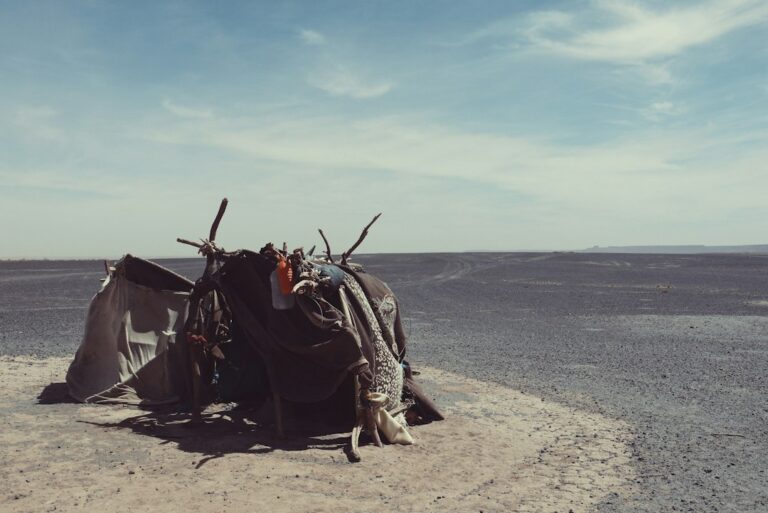
In the desert, temperatures can fluctuate dramatically between day and night, making it crucial to have a means of shelter. A lightweight tarp or emergency bivvy can protect you from the elements and help retain body heat during the cold nights. Therefore, while water is vital, it is just one piece of a larger puzzle that includes other survival essentials.
Myth: A First Aid Kit is Optional
Another common misconception is that a first aid kit is optional in a desert survival kit. Many believe that they can simply rely on their knowledge of basic first aid or that injuries are unlikely to occur. The truth is that accidents can happen anywhere, and the remote nature of the desert can make accessing medical help challenging. A well-stocked first aid kit is not just a luxury; it is a necessity.
Your first aid kit should include items such as bandages, antiseptic wipes, pain relievers, and any personal medications you may need. Additionally, consider including a snake bite kit, as encounters with venomous snakes can occur in desert regions. Being prepared for injuries can significantly increase your chances of survival and comfort in an emergency situation.
Myth: You Can Rely on Your Phone for Navigation
In today’s digital age, many people believe that their smartphones can serve as reliable navigation tools in the desert. However, this is a dangerous assumption. The truth is that cell service can be spotty or non-existent in remote desert areas, and relying solely on your phone can lead to disastrous consequences if your battery dies or your device malfunctions.
To navigate effectively, always carry a physical map and a compass as backup tools. Familiarize yourself with the terrain and landmarks before heading out, and practice using your compass to ensure you can find your way even without technology. Being prepared with traditional navigation methods can help you avoid getting lost in the vast desert landscape.
Myth: Food is Not Necessary for Short Trips
Many people believe that food is not a priority for short desert trips, thinking they can go without it for a day or two. This misconception can lead to severe energy depletion and impaired decision-making. The truth is that even short excursions can become unpredictable, and having food on hand is crucial for maintaining energy levels and mental clarity.
Pack lightweight, high-energy snacks such as nuts, energy bars, or dried fruits that are easy to carry and consume. These items can provide the necessary fuel to keep you alert and focused, especially if you encounter unexpected challenges. Remember, being prepared with food can make a significant difference in your overall survival experience.
Myth: You Don’t Need to Practice Survival Skills
Finally, a common myth is that simply having a survival kit is enough to ensure safety in the desert. Many people think that they can rely on their gear without practicing essential survival skills. The truth is that having the right tools is only part of the equation; knowing how to use them effectively is equally important.
Take the time to practice setting up your shelter, using your first aid kit, and navigating with a map and compass. Consider taking a survival course to learn valuable skills that can help you in real-life situations. By honing your abilities, you will be better prepared to face the challenges of the desert and increase your chances of a successful adventure.